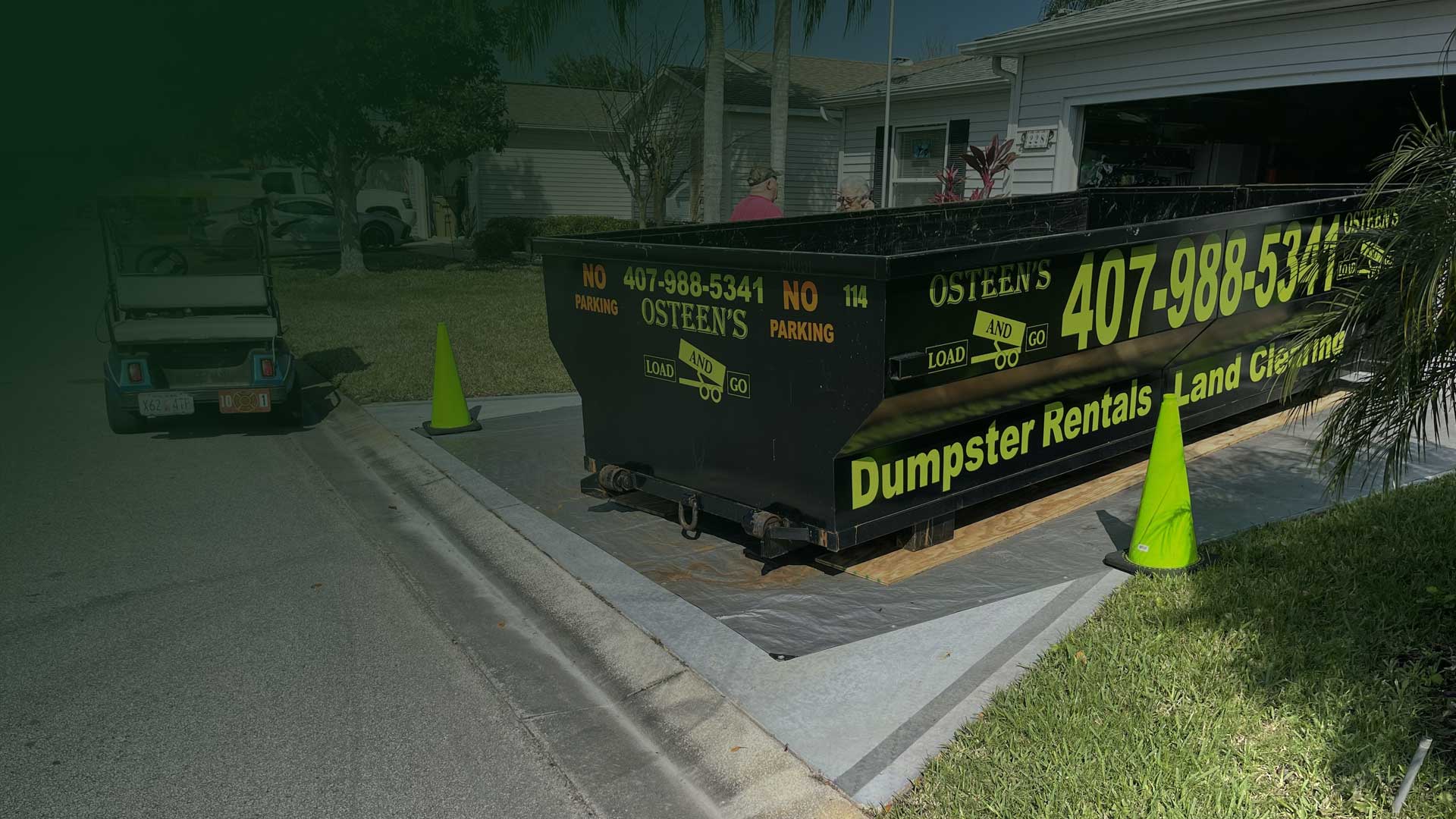
Choosing the right dumpster starts with understanding the project scope. The amount of material being removed plays a major role in selecting the right setup. Small cleanouts differ from larger commercial jobs. Waste tends to accumulate quickly once work begins. Planning ahead keeps areas organized. A clear understanding of the project ensures smooth workflow.
Project scope also considers timing and workload. Some jobs produce steady debris, while others generate it in bursts. Anticipating these patterns prevents interruptions. A dumpster should support dumpster rental service workflow instead of disrupt it. Proper planning reduces overcrowding. Understanding scope supports better results.
Considering the Type of Materials Being Disposed
Different projects produce different types of waste, affecting handling methods. Construction debris, household items, and general cleanout materials each require special attention. Heavier materials must be handled safely. Mixing materials without a plan slows progress. Knowing debris types ensures organized disposal.
Material type also influences placement and handling. Consistent loading improves safety. Organized disposal supports smoother workflows. A well-matched dumpster enhances efficiency. Knowing what will be discarded improves planning.
Planning for Space and Accessibility
Space plays a critical role in dumpster selection. Placement should support natural movement. Tight or cluttered spaces interfere with workflow if not planned carefully. Accessibility ensures debris doesn’t pile up. A well-placed dumpster supports continuous work. Thoughtful positioning prevents delays.
Accessibility also supports smooth operations. Clear paths improve movement. A dumpster should be situated for easy access. Proper placement optimizes handling. Planning space ahead ensures smooth cleanup.
Aligning Dumpster Rental With Workflow
Projects often move through stages, each producing different amounts of debris. Early stages may involve preparation and clearing, while later stages handle finishing debris. Aligning dumpster use with these phases supports workflow. Waste removal should fit naturally into the project. Osteen's Load and Go, LLC emphasizes phase-aligned planning.
Understanding the timing of debris accumulation helps maintain control on the job site. A steady approach keeps projects organized. Proper timing aligns cleanup with work stages. Consistent waste management improves efficiency. Matching dumpster use to project phases strengthens results.
Maintaining Safety Throughout the Job
Safety is critical during any cleanup or work project. Accumulated debris can pose risks if not managed properly. A well-placed dumpster helps keep materials organized. Clear work areas support visibility. Organized disposal creates a secure environment. Safety increases when clutter is handled.
Proper waste containment also protects tools and materials. Debris left scattered can cause interruptions. A reliable dumpster reduces hazards. Safe environments promote efficient work. Maintaining safety keeps projects on track. Smart planning contributes to a secure workspace.
Boosting Productivity Through Waste Management
Efficiency grows with consistent disposal during a project. A strategically placed dumpster reduces clutter management. Centralized disposal keeps tasks moving. Workers can work efficiently instead of managing debris. Efficient workflows improve productivity. Organization keeps operations smooth. Planning dumpster placement optimizes movement, while regular monitoring ensures availability. Clear disposal protocols enhance team focus and proactive adjustments support seamless operations throughout the workday.
A steady waste management system also enhances focus. Clean and organized spaces feel more manageable. Fewer distractions lead to better focus. Efficiency grows when cleanup supports workflow. A thoughtful approach strengthens results. Reliable systems keep teams on track.
Adjusting Waste Management as Work Changes
Projects rarely run perfectly according to schedule, making adaptability critical. Waste volumes may increase as work progresses. A flexible approach to dumpster use prevents clutter. Anticipating changes supports smooth transitions. Adaptability supports project flow. Preparation allows for smoother adjustments. Staying proactive improves readiness, while regularly reassessing needs ensures resources match demand. Responsive planning supports better decision-making and clear communication keeps teams coordinated throughout the project.
Being adaptable helps maintain efficiency even when unexpected issues arise. Waste management should remain adaptable. A dependable dumpster setup maintains organization. Staying organized during changes prevents delays. Adaptability improves results. Planning for flexibility reinforces reliability.
Smart Dumpster Selection for Successful Projects
Choosing the right dumpster supports better outcomes throughout a project. Clear planning reinforces organization. A well-matched dumpster keeps areas clean. Confidence grows when waste management is reliable. Smart decisions reduce stress. Preparation lays the groundwork for success. Properly assessing project needs prevents delays, while organized disposal practices boost productivity. Maintaining a consistent routine promotes order and anticipating potential challenges improves outcomes throughout the process.
Osteen's Load and Go, LLC prioritizes organization and workflow. Thoughtful dumpster selection maintains safety, organization, and workflow. Each job achieves better results. Clean spaces encourage steady progress. Reliable waste management supports positive outcomes. Osteen's Load and Go, LLC continues to prioritize smarter cleanup solutions.
Comments on “The Smart Way to Handle Cleanup for Any Project”